Start Recording
Wildlife recording is identifying and sharing the presence of wildlife in any given area. It’s a powerful way to conserve local wildlife, generate scientific data and contribute towards the restoration of biodiversity across our area.
If you have a keen interest in wildlife and enjoy connecting with the natural world, wildlife recording could be for you. Also known as biological recording, wildlife recording is simply observing the wildlife you see, where and when you see it and sharing this with your Local Environmental Record Centre (LERC).
Across our area, around 3.5 million wildlife records have been generated by the volunteer recording community. These records help us and others to understand how species of wildlife are faring and how the climate crisis is affecting biodiversity across Wales. At BIS, we manage and share the records with those who really need it, including those who are making decisions about the environment.
What is a record?
A wildlife record is an observation of a species at a specified time and place by a named individual. There are four basic pieces of information that must be included:
- What
- Species name
- Where
- The location where the species was observed, including an OS grid reference
- When
- Date the species was observed
- Who
- Name of the person who observed it
Anyone can make a wildlife record regardless of their level of expertise. We need as many people as possible to contribute to records so that we can understand wildlife patterns and help improve outcomes for biodiversity. Recording the wildlife that you see is a really valuable way of contributing to conservation - if we don't know species are present then we can't do anything to protect them.
Taking it further
There is further information that can be included beyond the four points above.
- What
- The species name can be the scientific name (sometime referred to as the Latin name) or the common name. The Natural History Museum maintains a list of all the species names in the UK called the UK Species Inventory. You can use it to look-up correct spelling and currently accepted names.
- Where
- The best way to reference the location you observe a species in the UK is to use an OS Grid reference. Grab a Grid Reference is a useful tool for looking up grid references. It is also good practice to include a location name with your observation, this a text reference to the location and could be the street, village or hillside.
- When
- The best practice is to include the full date. For some historic or retrospective records the observer may not be able to remember the exact date in which case a vague date such as the month or season is acceptable.
- Who
- This piece of information is important because it provides information to support verification of the record.
- Optional information
- These are often dictated by the type of species but could include things such as age or life stage (adult, juvenile, larvae), sex, abundance, growth form, notes on behaviour, breeding status, type of observation (moth trap, live sighting, droppings etc). Any information that can be observed and could be useful to know in the future.
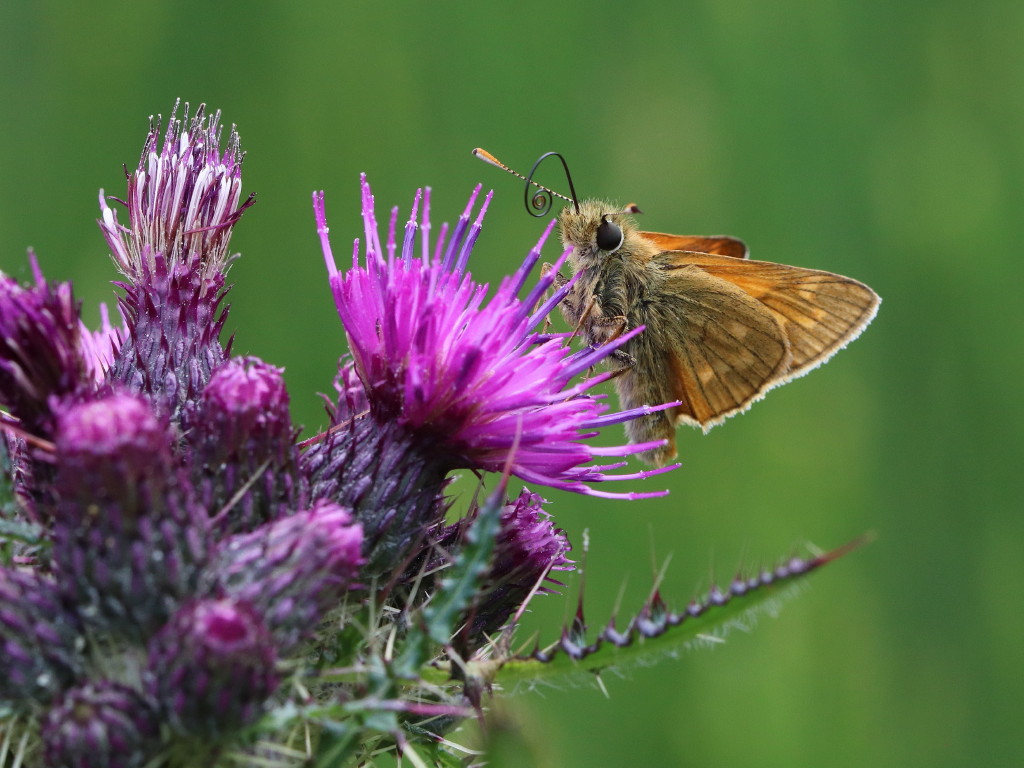
Example wildlife record
Whilst on a walk in the local park Jenny noticed some Jelly ear fungus growing on an Elder tree.
| What | Jelly Ear | |
| Where | SO2118 Bullpit Meadow, Crickhowell | |
| When | 03/11/2023 | |
| Who | Jenny Davies |
As this is an observation of two different species, it is actually two wildlife records, one of the fugus and one of the tree.
| What | Elder | |
| Where | SO2118 Bullpit Meadow, Crickhowell | |
| When | 03/11/2023 | |
| Who | Jenny Davies |